Asiatic cheetah
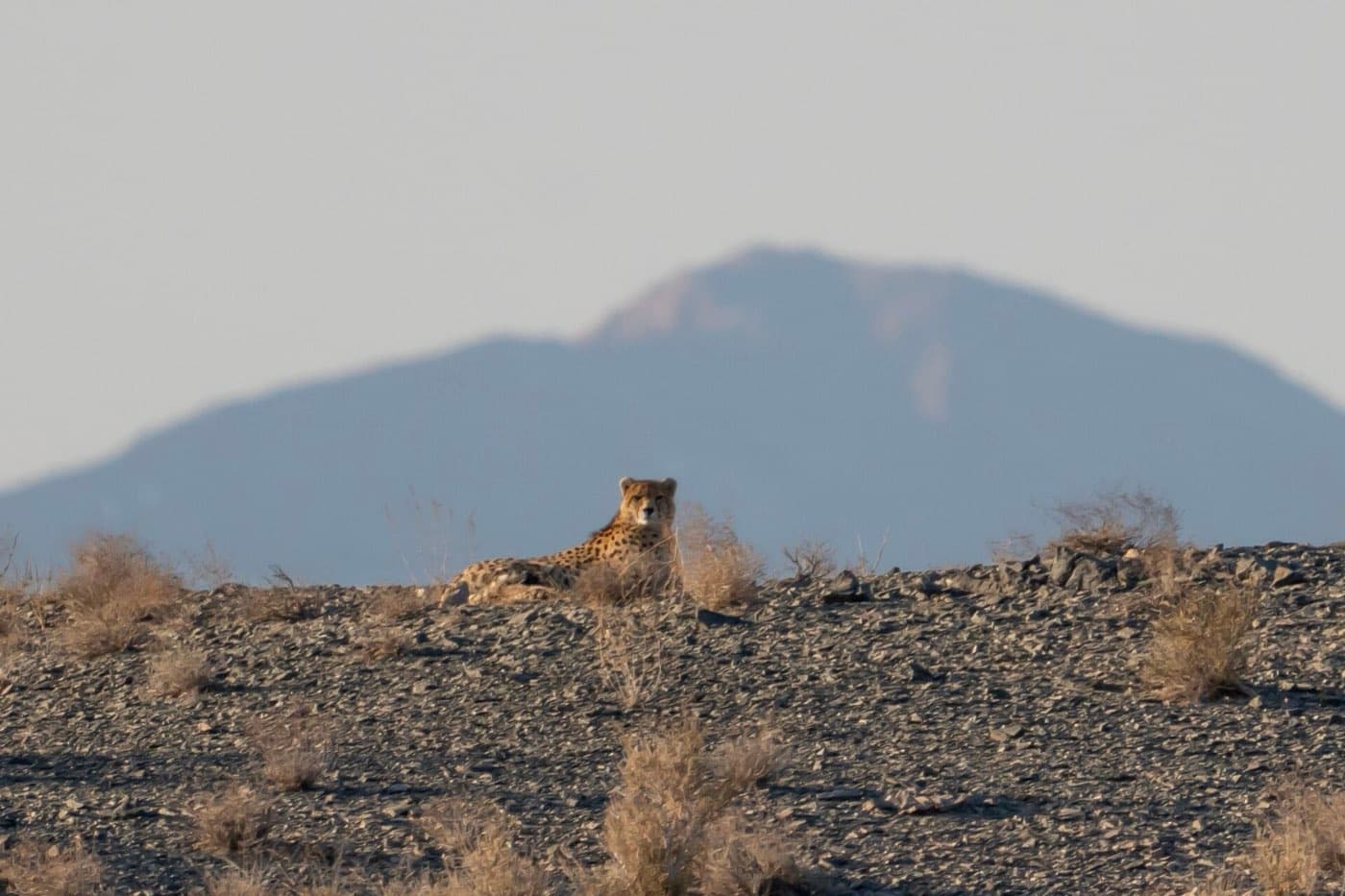
Acinonyx jubatus venaticusThe Asiatic cheetah is the last surviving cheetah in Asia, with its population today remaining only on Iran's central plateau. This diurnal, exceptionally fast cat is a symbol of the conservation of Iran's desert ecosystems.
Morphology
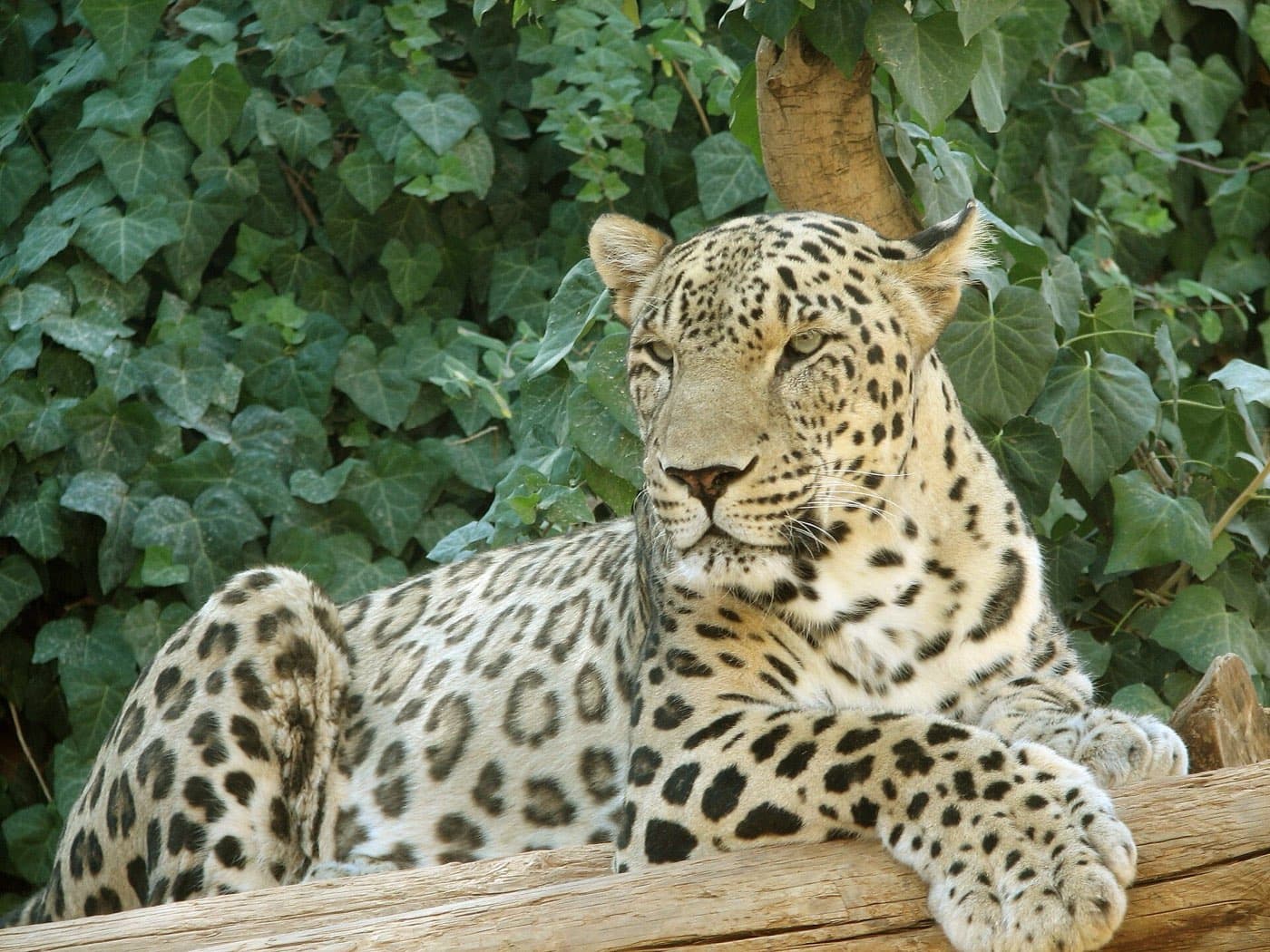
It has a slender, light body, a small head, and semi-retractable claws. Round dark spots and the black "tear line" running from the corner of the eye to the mouth are among its distinctive features.
Behavior
Diurnal and largely solitary; it hunts in short, extremely fast bursts and needs to rest after each chase.
Diet
Its main prey are the chinkara, goitered gazelle, wild sheep, and hare; prey availability is a key factor in its survival.
Reproduction
The gestation period is about 90 to 95 days, and usually three to four cubs are born.
Lifespan
About 10 to 12 years in the wild.
Habitat
The desert and semi-desert ecosystems of central Iran.
Distribution (generalized range)
Confined to a few scattered habitats on Iran's central plateau; the exact sensitive location is not published.
Threats
Road collisions, prey decline, herding dogs, and habitat fragmentation.